Liechtenstein, a small country nestled in the heart of Europe between Switzerland and Austria, is known for its charming historical architecture. Despite its size, Liechtenstein boasts a rich architectural heritage that reflects its long history and cultural influences.
Category : Liechtenstein Architecture | Sub Category : Liechtenstein Historical Architecture Posted on 2025-02-02 21:24:53
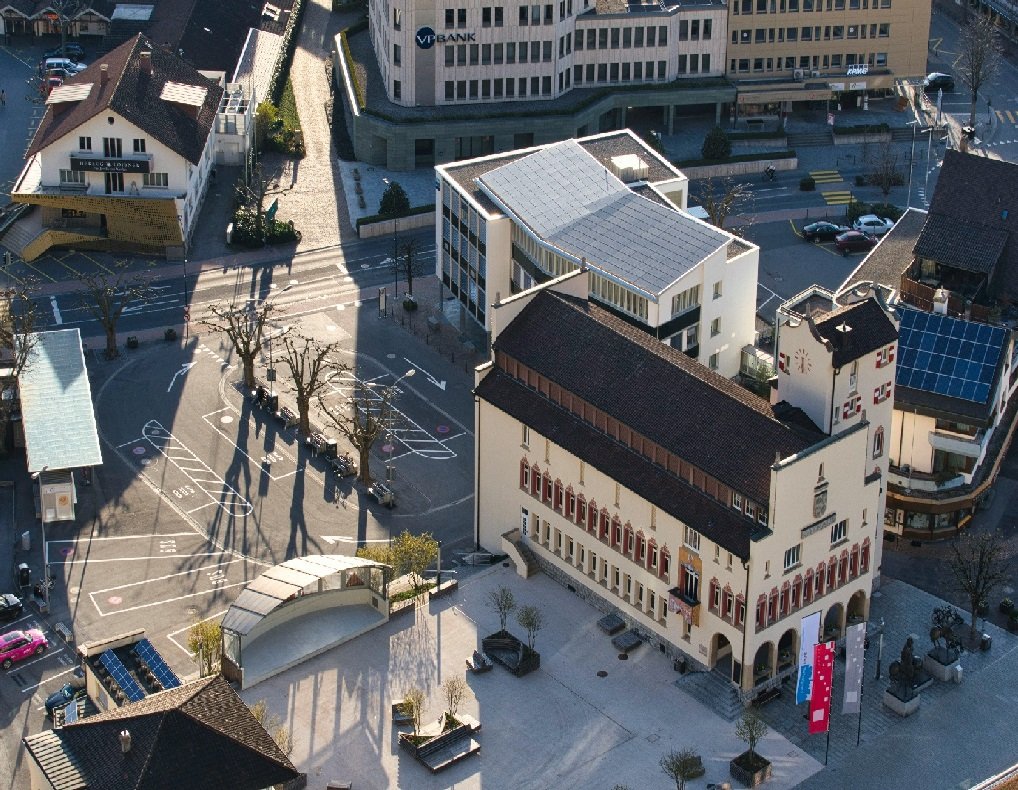
Liechtenstein, a small country nestled in the heart of Europe between Switzerland and Austria, is known for its charming historical architecture. Despite its size, Liechtenstein boasts a rich architectural heritage that reflects its long history and cultural influences.
One of the most iconic architectural landmarks in Liechtenstein is Vaduz Castle, perched atop a hill overlooking the capital city of Vaduz. This medieval castle dates back to the 12th century and is the official residence of the Prince of Liechtenstein. Its striking turrets and fortified walls make it a picturesque sight against the backdrop of the Alps.
Another notable example of Liechtenstein's historical architecture is the Red House in Schellenberg. This half-timbered house with its bright red facade is a typical example of traditional Alpine architecture and is a popular tourist attraction in the country.
Liechtenstein is also home to several charming churches and chapels that showcase various architectural styles. The St. Florin Cathedral in Vaduz is a stunning example of neo-Gothic architecture, while the rural chapels of St. Mamerta in Triesen and St. Mary in Balzers exhibit traditional Baroque features.
In addition to these historical landmarks, Liechtenstein also has a burgeoning contemporary architectural scene. The Kunstmuseum Liechtenstein, designed by Swiss architects Meinrad Morger, Heinrich Degelo, and Christian Kerez, is a striking modern art museum that stands out against the traditional backdrop of Vaduz.
Whether admiring the medieval castles or exploring the modern museums, Liechtenstein offers a fascinating architectural journey that showcases the country's rich history and cultural diversity. Visitors to this picturesque country are sure to be captivated by its unique blend of old-world charm and modern innovation.
Leave a Comment:
SEARCH
Recent News
- Zurich, Switzerland, and Liechtenstein are two beautiful destinations that offer a unique combination of enchanting landscapes, rich cultural heritage, and modern attractions. Both countries attract tourists from around the world with their picturesque alpine scenery, charming villages, and vibrant cities.
- Zurich, Switzerland and Liechtenstein are two neighboring European countries with distinct regulatory frameworks governing various aspects of society. In this blog post, we will explore some key regulations in Zurich, Switzerland and Liechtenstein that shape the way of life and business in these two unique destinations.
- Zurich, Switzerland and Liechtenstein are two neighboring countries with vibrant economies that attract attention due to their stable financial systems and high living standards. In this blog post, we will delve into the economic characteristics of these two regions and explore what makes them stand out on the global stage.
- Zurich, Switzerland and Liechtenstein may be small in size, but they pack a powerful punch when it comes to business opportunities. These two neighboring countries in Europe offer a unique blend of economic stability, innovation, and a favorable business environment that attracts entrepreneurs and investors from around the world.
- Are you interested in creating YouTube content to promote Liechtenstein tourism? This tiny yet charming European country has a lot to offer visitors, and showcasing its beauty through videos can help attract more tourists. In this blog post, we will explore the process of YouTube content creation and translation for Liechtenstein tourism.
- YouTube Content Creation and Translation: Navigating Liechtenstein Regulations
- YouTube Content Creation and Translation in Liechtenstein Economy
- YouTube Content Creation and Translation for Liechtenstein Businesses
READ MORE
9 months ago Category :

Zurich, Switzerland, and Liechtenstein are two beautiful destinations that offer a unique combination of enchanting landscapes, rich cultural heritage, and modern attractions. Both countries attract tourists from around the world with their picturesque alpine scenery, charming villages, and vibrant cities.
Read More →9 months ago Category :

Zurich, Switzerland and Liechtenstein are two neighboring European countries with distinct regulatory frameworks governing various aspects of society. In this blog post, we will explore some key regulations in Zurich, Switzerland and Liechtenstein that shape the way of life and business in these two unique destinations.
Read More →9 months ago Category :

Zurich, Switzerland and Liechtenstein are two neighboring countries with vibrant economies that attract attention due to their stable financial systems and high living standards. In this blog post, we will delve into the economic characteristics of these two regions and explore what makes them stand out on the global stage.
Read More →9 months ago Category :
