Liechtenstein Architecture: Preserving the Charm of Traditional Buildings
Category : Liechtenstein Architecture | Sub Category : Traditional Buildings in Liechtenstein Posted on 2025-02-02 21:24:53
Liechtenstein Architecture: Preserving the Charm of Traditional Buildings
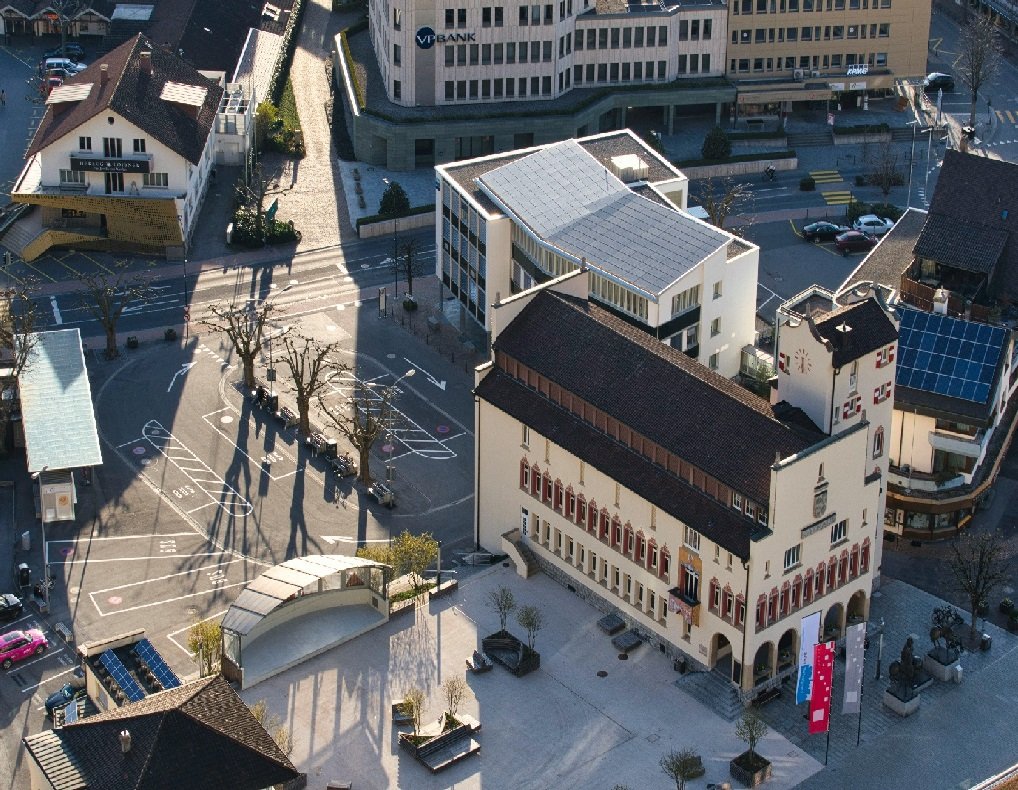
Nestled in the heart of Europe, the tiny principality of Liechtenstein boasts a rich architectural heritage that is as captivating as it is unique. The traditional buildings in Liechtenstein are a testament to the country's history and culture, with each structure telling a story of the past while maintaining its relevance in the present day.
One of the defining features of Liechtenstein architecture is its picturesque villages, where charming old houses line the streets, exuding a sense of timeless beauty. These traditional buildings are typically constructed with locally sourced materials such as wood and stone, showcasing the craftsmanship and skill of the artisans who built them.
The architecture in Liechtenstein is heavily influenced by its alpine surroundings, with many buildings featuring steep gabled roofs to withstand the heavy snowfall during the winter months. The use of traditional building techniques and styles has helped to preserve the cultural identity of the country, creating a sense of continuity between the past and the present.
One of the most iconic examples of Liechtenstein architecture is Vaduz Castle, perched high on a hill overlooking the capital city. This medieval fortress dates back to the 12th century and serves as the official residence of the Prince of Liechtenstein. Its striking hilltop location and impressive architecture make it a must-visit attraction for tourists and architecture enthusiasts alike.
In addition to historic landmarks such as Vaduz Castle, Liechtenstein also boasts a number of well-preserved villages where visitors can admire traditional buildings in their original setting. Triesenberg, for example, is a charming mountain village known for its wooden chalets and panoramic views of the Rhine Valley. Walking through the narrow streets of Triesenberg feels like stepping back in time, with each house telling a story of generations past.
While Liechtenstein may be a small country, its architecture speaks volumes about its rich history and cultural heritage. By preserving and celebrating its traditional buildings, Liechtenstein ensures that future generations will be able to appreciate the unique charm and character of its architectural legacy.
Leave a Comment:
SEARCH
Recent News
- Zurich, Switzerland, and Liechtenstein are two beautiful destinations that offer a unique combination of enchanting landscapes, rich cultural heritage, and modern attractions. Both countries attract tourists from around the world with their picturesque alpine scenery, charming villages, and vibrant cities.
- Zurich, Switzerland and Liechtenstein are two neighboring European countries with distinct regulatory frameworks governing various aspects of society. In this blog post, we will explore some key regulations in Zurich, Switzerland and Liechtenstein that shape the way of life and business in these two unique destinations.
- Zurich, Switzerland and Liechtenstein are two neighboring countries with vibrant economies that attract attention due to their stable financial systems and high living standards. In this blog post, we will delve into the economic characteristics of these two regions and explore what makes them stand out on the global stage.
- Zurich, Switzerland and Liechtenstein may be small in size, but they pack a powerful punch when it comes to business opportunities. These two neighboring countries in Europe offer a unique blend of economic stability, innovation, and a favorable business environment that attracts entrepreneurs and investors from around the world.
- Are you interested in creating YouTube content to promote Liechtenstein tourism? This tiny yet charming European country has a lot to offer visitors, and showcasing its beauty through videos can help attract more tourists. In this blog post, we will explore the process of YouTube content creation and translation for Liechtenstein tourism.
- YouTube Content Creation and Translation: Navigating Liechtenstein Regulations
- YouTube Content Creation and Translation in Liechtenstein Economy
- YouTube Content Creation and Translation for Liechtenstein Businesses
READ MORE
9 months ago Category :

Zurich, Switzerland, and Liechtenstein are two beautiful destinations that offer a unique combination of enchanting landscapes, rich cultural heritage, and modern attractions. Both countries attract tourists from around the world with their picturesque alpine scenery, charming villages, and vibrant cities.
Read More →9 months ago Category :

Zurich, Switzerland and Liechtenstein are two neighboring European countries with distinct regulatory frameworks governing various aspects of society. In this blog post, we will explore some key regulations in Zurich, Switzerland and Liechtenstein that shape the way of life and business in these two unique destinations.
Read More →9 months ago Category :

Zurich, Switzerland and Liechtenstein are two neighboring countries with vibrant economies that attract attention due to their stable financial systems and high living standards. In this blog post, we will delve into the economic characteristics of these two regions and explore what makes them stand out on the global stage.
Read More →9 months ago Category :
