Liechtenstein Banking Secrecy Laws: Understanding Banking Secrecy Regulations in Liechtenstein
Category : Liechtenstein Banking Secrecy Laws | Sub Category : Banking Secrecy Regulations in Liechtenstein Posted on 2025-02-02 21:24:53
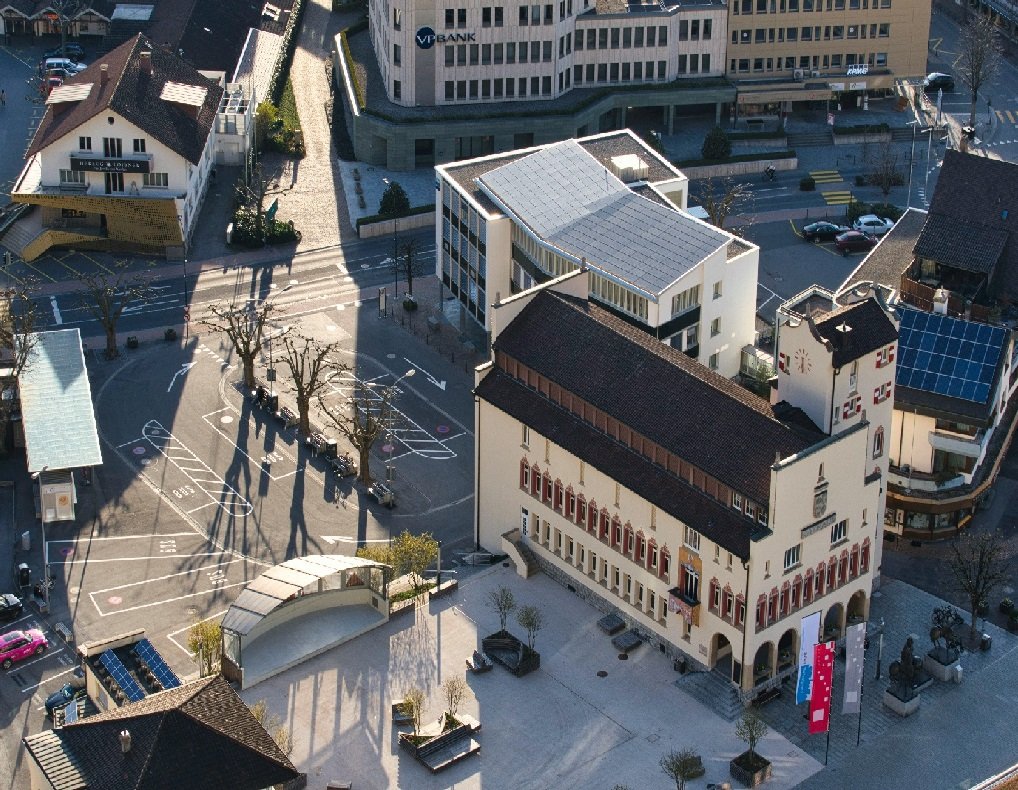
Liechtenstein Banking Secrecy Laws: Understanding Banking Secrecy Regulations in Liechtenstein
Liechtenstein, a tiny European country known for its picturesque landscapes and strong banking sector, is also renowned for its strict banking secrecy laws. These laws have made Liechtenstein a popular destination for individuals looking to protect their assets and financial information from prying eyes. In this article, we will delve into the banking secrecy regulations in Liechtenstein and understand the implications for account holders and the global financial community.
History of Banking Secrecy in Liechtenstein
Banking secrecy in Liechtenstein dates back to the early 20th century when the country established itself as a banking hub. The laws were originally designed to protect the privacy of account holders and attract foreign investors looking for a safe haven for their wealth. Over the years, Liechtenstein has upheld its reputation for strict banking secrecy, making it a preferred choice for individuals seeking to keep their financial affairs confidential.
Key Features of Liechtenstein Banking Secrecy Laws
Liechtenstein's banking secrecy laws are based on the principle of client confidentiality, which means that banks are prohibited from disclosing any information about their clients' accounts without their consent. This level of privacy has made Liechtenstein an attractive destination for individuals and businesses from around the world.
Under Liechtenstein law, disclosing client information is a criminal offense punishable by imprisonment and hefty fines. This strict enforcement of banking secrecy regulations has cemented Liechtenstein's reputation as a jurisdiction that values financial privacy and discretion.
Implications for Global Financial Transparency
While banking secrecy in Liechtenstein offers benefits to account holders seeking privacy, it has also raised concerns about tax evasion, money laundering, and other illicit activities. In recent years, international pressure has mounted on Liechtenstein to increase transparency and share financial information with other countries to combat financial crimes.
Liechtenstein has taken steps to address these concerns by signing international agreements on the exchange of tax information and implementing anti-money laundering measures. The country has demonstrated its commitment to upholding global standards of financial transparency while balancing the needs of account holders who value privacy.
In conclusion, Liechtenstein's banking secrecy laws play a significant role in shaping its reputation as a financial center known for privacy and confidentiality. While these laws offer benefits to account holders, they also raise challenges in terms of global financial transparency. By navigating the delicate balance between privacy and transparency, Liechtenstein continues to uphold its position as a reputable jurisdiction for individuals and businesses seeking to protect their financial interests.
Leave a Comment:
SEARCH
Recent News
- Zurich, Switzerland, and Liechtenstein are two beautiful destinations that offer a unique combination of enchanting landscapes, rich cultural heritage, and modern attractions. Both countries attract tourists from around the world with their picturesque alpine scenery, charming villages, and vibrant cities.
- Zurich, Switzerland and Liechtenstein are two neighboring European countries with distinct regulatory frameworks governing various aspects of society. In this blog post, we will explore some key regulations in Zurich, Switzerland and Liechtenstein that shape the way of life and business in these two unique destinations.
- Zurich, Switzerland and Liechtenstein are two neighboring countries with vibrant economies that attract attention due to their stable financial systems and high living standards. In this blog post, we will delve into the economic characteristics of these two regions and explore what makes them stand out on the global stage.
- Zurich, Switzerland and Liechtenstein may be small in size, but they pack a powerful punch when it comes to business opportunities. These two neighboring countries in Europe offer a unique blend of economic stability, innovation, and a favorable business environment that attracts entrepreneurs and investors from around the world.
- Are you interested in creating YouTube content to promote Liechtenstein tourism? This tiny yet charming European country has a lot to offer visitors, and showcasing its beauty through videos can help attract more tourists. In this blog post, we will explore the process of YouTube content creation and translation for Liechtenstein tourism.
- YouTube Content Creation and Translation: Navigating Liechtenstein Regulations
- YouTube Content Creation and Translation in Liechtenstein Economy
- YouTube Content Creation and Translation for Liechtenstein Businesses
READ MORE
9 months ago Category :

Zurich, Switzerland, and Liechtenstein are two beautiful destinations that offer a unique combination of enchanting landscapes, rich cultural heritage, and modern attractions. Both countries attract tourists from around the world with their picturesque alpine scenery, charming villages, and vibrant cities.
Read More →9 months ago Category :

Zurich, Switzerland and Liechtenstein are two neighboring European countries with distinct regulatory frameworks governing various aspects of society. In this blog post, we will explore some key regulations in Zurich, Switzerland and Liechtenstein that shape the way of life and business in these two unique destinations.
Read More →9 months ago Category :

Zurich, Switzerland and Liechtenstein are two neighboring countries with vibrant economies that attract attention due to their stable financial systems and high living standards. In this blog post, we will delve into the economic characteristics of these two regions and explore what makes them stand out on the global stage.
Read More →9 months ago Category :
