Liechtenstein, a small landlocked country nestled between Switzerland and Austria, may be tiny in size, but it certainly makes a big impact when it comes to environmental policies and renewable energy initiatives. Despite its limited land area, Liechtenstein has been proactive in implementing sustainable practices to reduce its carbon footprint and promote a cleaner and greener future.
Category : Liechtenstein Environmental Policies | Sub Category : Renewable Energy Initiatives in Liechtenstein Posted on 2025-02-02 21:24:53
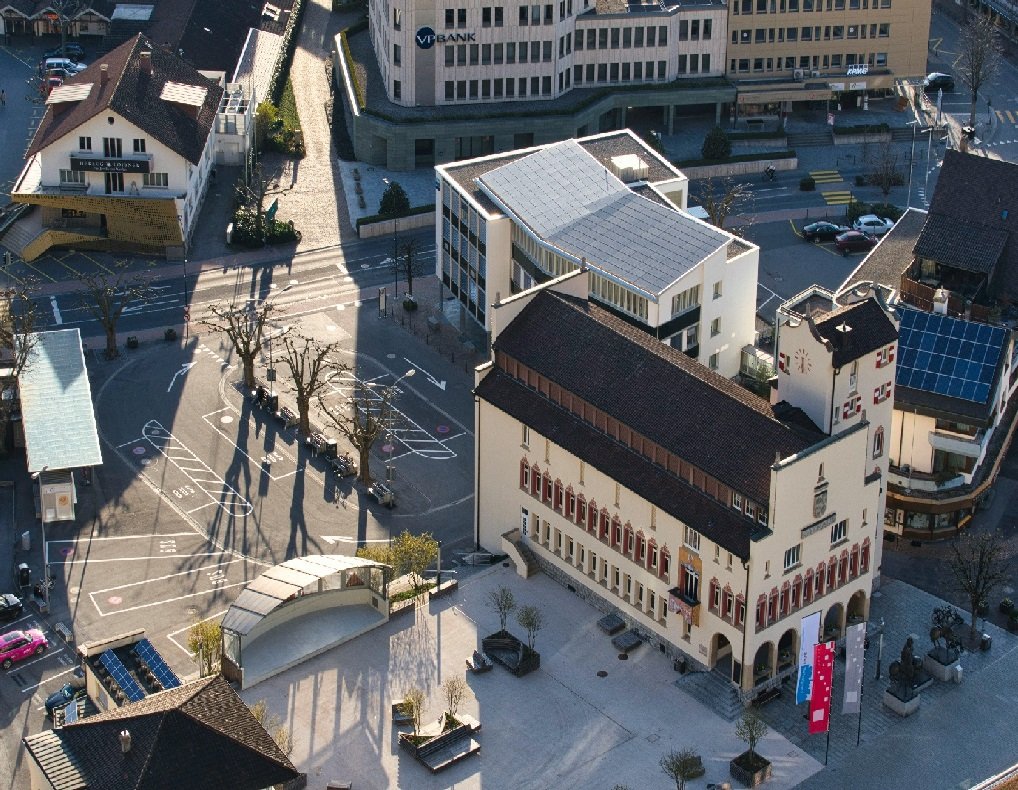
Liechtenstein, a small landlocked country nestled between Switzerland and Austria, may be tiny in size, but it certainly makes a big impact when it comes to environmental policies and renewable energy initiatives. Despite its limited land area, Liechtenstein has been proactive in implementing sustainable practices to reduce its carbon footprint and promote a cleaner and greener future.
One of the key focuses of Liechtenstein's environmental policies is the promotion of renewable energy sources. The country has set ambitious goals to increase the share of renewable energy in its total energy consumption. Liechtenstein has been investing in solar power, hydropower, and biomass energy to diversify its energy sources and reduce its reliance on fossil fuels.
Solar power is a particularly important renewable energy source in Liechtenstein due to its favorable climate for solar energy generation. The country has been incentivizing the installation of solar panels on residential and commercial buildings through subsidies and tax breaks. This initiative not only helps reduce greenhouse gas emissions but also allows residents and businesses to save on energy costs in the long run.
Hydropower is another significant renewable energy source in Liechtenstein, given its mountainous terrain and numerous rivers and streams. The country has been harnessing the power of water to generate clean electricity, contributing to its overall renewable energy mix. Hydropower is a reliable and efficient source of energy that can help reduce reliance on non-renewable sources like coal and natural gas.
Liechtenstein has also been exploring the potential of biomass energy as a sustainable alternative to traditional fuels. Biomass energy involves the use of organic materials such as wood pellets, agricultural residues, and organic waste to generate heat and electricity. By utilizing biomass energy, Liechtenstein can reduce waste, lower carbon emissions, and support local agriculture and forestry industries.
In addition to promoting renewable energy sources, Liechtenstein has been implementing policies to improve energy efficiency and reduce energy consumption. The country has been encouraging the adoption of energy-efficient technologies and practices in buildings, transportation, and industry. By prioritizing energy efficiency, Liechtenstein aims to lower its environmental impact and enhance its energy security.
Overall, Liechtenstein's commitment to environmental sustainability and renewable energy initiatives sets a positive example for other countries to follow. Despite its small size, Liechtenstein demonstrates that ambitious climate goals and sustainable practices can lead to a cleaner and greener future for all. By investing in renewable energy sources, promoting energy efficiency, and embracing innovative solutions, Liechtenstein paves the way for a more sustainable and environmentally friendly world.
Leave a Comment:
SEARCH
Recent News
- Zurich, Switzerland, and Liechtenstein are two beautiful destinations that offer a unique combination of enchanting landscapes, rich cultural heritage, and modern attractions. Both countries attract tourists from around the world with their picturesque alpine scenery, charming villages, and vibrant cities.
- Zurich, Switzerland and Liechtenstein are two neighboring European countries with distinct regulatory frameworks governing various aspects of society. In this blog post, we will explore some key regulations in Zurich, Switzerland and Liechtenstein that shape the way of life and business in these two unique destinations.
- Zurich, Switzerland and Liechtenstein are two neighboring countries with vibrant economies that attract attention due to their stable financial systems and high living standards. In this blog post, we will delve into the economic characteristics of these two regions and explore what makes them stand out on the global stage.
- Zurich, Switzerland and Liechtenstein may be small in size, but they pack a powerful punch when it comes to business opportunities. These two neighboring countries in Europe offer a unique blend of economic stability, innovation, and a favorable business environment that attracts entrepreneurs and investors from around the world.
- Are you interested in creating YouTube content to promote Liechtenstein tourism? This tiny yet charming European country has a lot to offer visitors, and showcasing its beauty through videos can help attract more tourists. In this blog post, we will explore the process of YouTube content creation and translation for Liechtenstein tourism.
- YouTube Content Creation and Translation: Navigating Liechtenstein Regulations
- YouTube Content Creation and Translation in Liechtenstein Economy
- YouTube Content Creation and Translation for Liechtenstein Businesses
READ MORE
9 months ago Category :

Zurich, Switzerland, and Liechtenstein are two beautiful destinations that offer a unique combination of enchanting landscapes, rich cultural heritage, and modern attractions. Both countries attract tourists from around the world with their picturesque alpine scenery, charming villages, and vibrant cities.
Read More →9 months ago Category :

Zurich, Switzerland and Liechtenstein are two neighboring European countries with distinct regulatory frameworks governing various aspects of society. In this blog post, we will explore some key regulations in Zurich, Switzerland and Liechtenstein that shape the way of life and business in these two unique destinations.
Read More →9 months ago Category :

Zurich, Switzerland and Liechtenstein are two neighboring countries with vibrant economies that attract attention due to their stable financial systems and high living standards. In this blog post, we will delve into the economic characteristics of these two regions and explore what makes them stand out on the global stage.
Read More →9 months ago Category :
