Liechtenstein, a small country located in Central Europe, has a set of labor laws and regulations that govern the relationship between employers and employees. These laws aim to protect the rights and ensure the fair treatment of workers in the country.
Category : Liechtenstein Laws and Regulations | Sub Category : Liechtenstein Labor Laws Posted on 2025-02-02 21:24:53
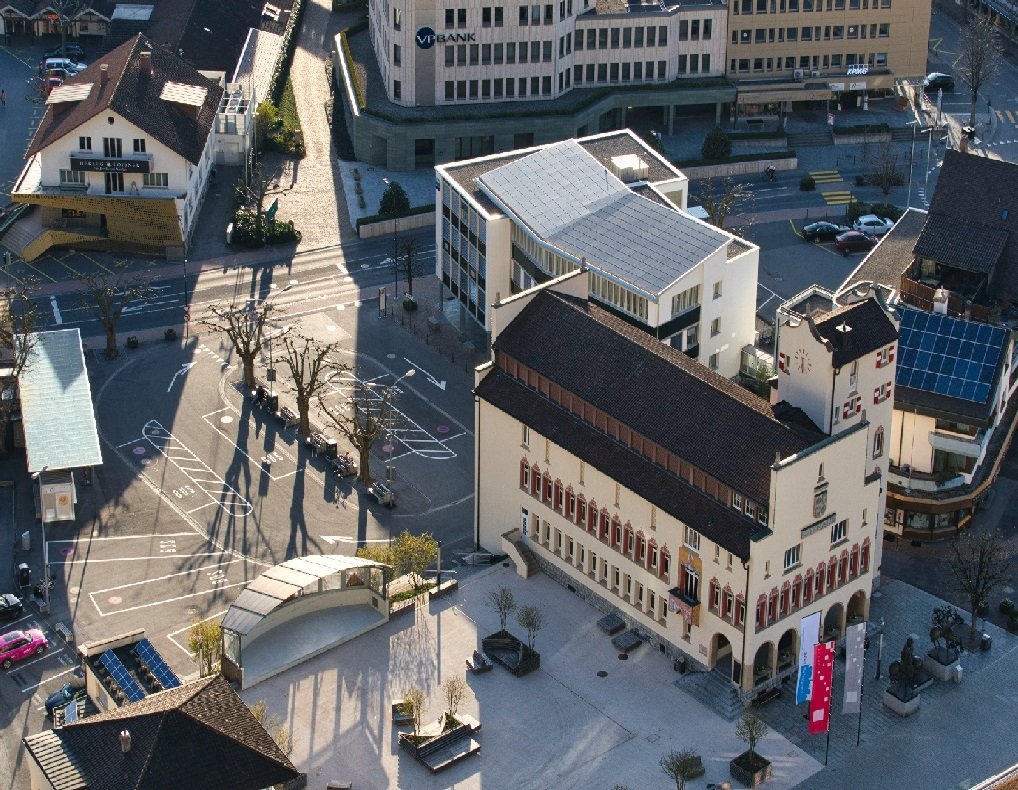
Liechtenstein, a small country located in Central Europe, has a set of labor laws and regulations that govern the relationship between employers and employees. These laws aim to protect the rights and ensure the fair treatment of workers in the country.
One of the key aspects of Liechtenstein's labor laws is the protection of working hours. According to the law, the maximum working time for employees is 45 hours per week. Overtime work is allowed, but it should not exceed 170 hours per year. Employers are required to compensate employees for overtime work, either through payment or additional time off.
In terms of annual leave, employees in Liechtenstein are entitled to a minimum of four weeks of paid vacation per year. This entitlement may increase based on the employee's age and years of service. Additionally, employees are entitled to paid sick leave if they are unable to work due to illness or injury.
Liechtenstein's labor laws also provide regulations on minimum wage. While there is no statutory minimum wage in the country, collective agreements between employers and trade unions often set wage standards for different industries. Employers are required to pay wages that are fair and in line with industry standards.
Employee rights are also protected under Liechtenstein's labor laws. For example, employees have the right to join trade unions and participate in collective bargaining. Discrimination based on factors such as gender, race, religion, or sexual orientation is prohibited, and employers are required to provide a safe and healthy working environment for their employees.
Overall, Liechtenstein's labor laws aim to strike a balance between the needs of employers and the rights of employees. By setting clear regulations on working hours, annual leave, wages, and employee rights, these laws help ensure fair treatment and a harmonious working environment for all parties involved in the labor market.
Leave a Comment:
SEARCH
Recent News
- Zurich, Switzerland, and Liechtenstein are two beautiful destinations that offer a unique combination of enchanting landscapes, rich cultural heritage, and modern attractions. Both countries attract tourists from around the world with their picturesque alpine scenery, charming villages, and vibrant cities.
- Zurich, Switzerland and Liechtenstein are two neighboring European countries with distinct regulatory frameworks governing various aspects of society. In this blog post, we will explore some key regulations in Zurich, Switzerland and Liechtenstein that shape the way of life and business in these two unique destinations.
- Zurich, Switzerland and Liechtenstein are two neighboring countries with vibrant economies that attract attention due to their stable financial systems and high living standards. In this blog post, we will delve into the economic characteristics of these two regions and explore what makes them stand out on the global stage.
- Zurich, Switzerland and Liechtenstein may be small in size, but they pack a powerful punch when it comes to business opportunities. These two neighboring countries in Europe offer a unique blend of economic stability, innovation, and a favorable business environment that attracts entrepreneurs and investors from around the world.
- Are you interested in creating YouTube content to promote Liechtenstein tourism? This tiny yet charming European country has a lot to offer visitors, and showcasing its beauty through videos can help attract more tourists. In this blog post, we will explore the process of YouTube content creation and translation for Liechtenstein tourism.
- YouTube Content Creation and Translation: Navigating Liechtenstein Regulations
- YouTube Content Creation and Translation in Liechtenstein Economy
- YouTube Content Creation and Translation for Liechtenstein Businesses
READ MORE
9 months ago Category :

Zurich, Switzerland, and Liechtenstein are two beautiful destinations that offer a unique combination of enchanting landscapes, rich cultural heritage, and modern attractions. Both countries attract tourists from around the world with their picturesque alpine scenery, charming villages, and vibrant cities.
Read More →9 months ago Category :

Zurich, Switzerland and Liechtenstein are two neighboring European countries with distinct regulatory frameworks governing various aspects of society. In this blog post, we will explore some key regulations in Zurich, Switzerland and Liechtenstein that shape the way of life and business in these two unique destinations.
Read More →9 months ago Category :

Zurich, Switzerland and Liechtenstein are two neighboring countries with vibrant economies that attract attention due to their stable financial systems and high living standards. In this blog post, we will delve into the economic characteristics of these two regions and explore what makes them stand out on the global stage.
Read More →9 months ago Category :
