Liechtenstein's Role in the European Economic Area and its Impact on the Liechtenstein Economy
Category : Liechtenstein Role in the European Economic Area | Sub Category : Impact of EEA on Liechtenstein Economy Posted on 2025-02-02 21:24:53
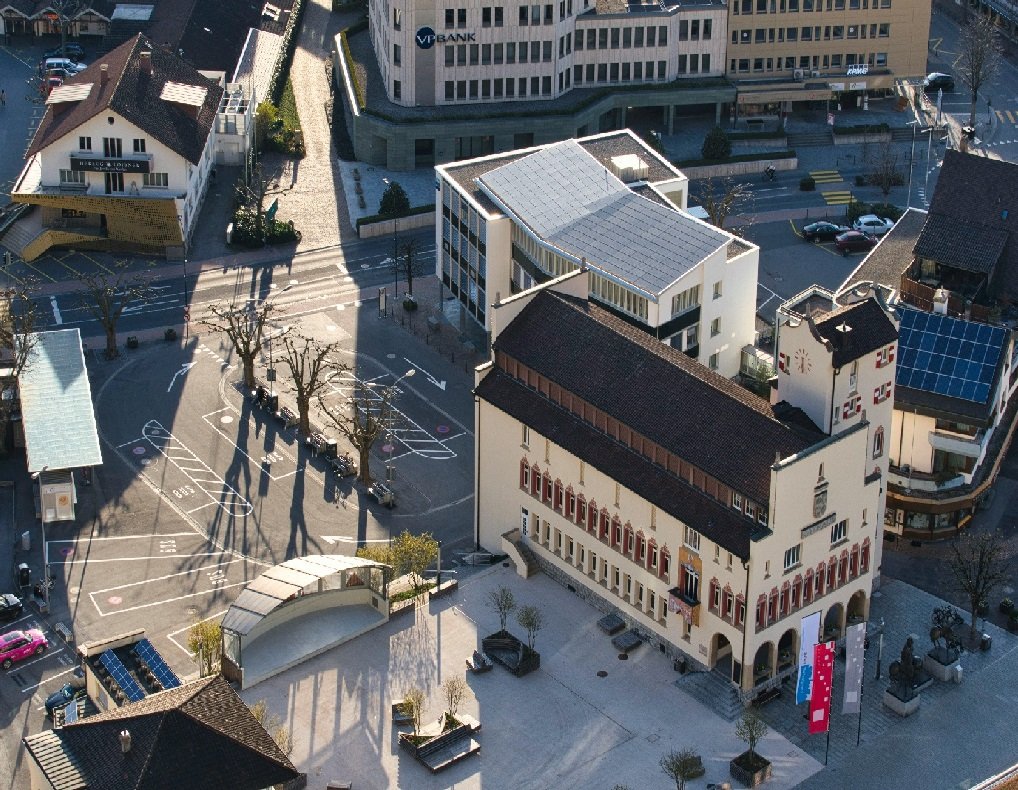
Liechtenstein's Role in the European Economic Area and its Impact on the Liechtenstein Economy
Liechtenstein, a small but influential country located in the heart of Europe, has played a significant role in the European Economic Area (EEA) since its establishment in 1994. As a member of the EEA, Liechtenstein enjoys a unique position that allows it to participate in the European single market without being a full member of the European Union (EU). This special status has had a profound impact on the Liechtenstein economy, shaping its growth and development in various ways.
One of the key benefits of Liechtenstein's participation in the EEA is access to the European single market. This has opened up opportunities for Liechtenstein businesses to trade with other EEA countries without facing trade barriers or tariffs. As a result, Liechtenstein has been able to expand its exports and attract foreign investment, boosting economic growth and creating jobs in the process.
Furthermore, being part of the EEA has allowed Liechtenstein to adopt EU legislation related to the single market, ensuring that its regulations and standards are aligned with those of its European neighbors. This has enhanced the country's competitiveness and credibility in the international market, making it an attractive destination for foreign investors and businesses looking to establish a presence in Europe.
Moreover, the free movement of goods, services, capital, and people within the EEA has facilitated cross-border trade and cooperation, benefiting not only Liechtenstein but also its European partners. This interconnectedness has fostered economic integration and collaboration, leading to the sharing of knowledge, resources, and technology that have driven innovation and productivity in the Liechtenstein economy.
Despite the numerous advantages of EEA membership, Liechtenstein has faced challenges in adapting to the evolving dynamics of the European market. The country's small size and limited resources have made it vulnerable to external economic shocks and fluctuations, requiring strategic planning and diversification to ensure long-term sustainability and resilience.
In conclusion, Liechtenstein's role in the European Economic Area has been instrumental in shaping its economy and driving its growth and prosperity. By leveraging its position in the EEA, Liechtenstein has been able to harness the opportunities presented by the European single market and overcome the challenges posed by globalization and regional integration. Looking ahead, Liechtenstein must continue to embrace innovation, collaboration, and adaptability to thrive in an increasingly interconnected and competitive global economy.
Leave a Comment:
SEARCH
Recent News
- Zurich, Switzerland, and Liechtenstein are two beautiful destinations that offer a unique combination of enchanting landscapes, rich cultural heritage, and modern attractions. Both countries attract tourists from around the world with their picturesque alpine scenery, charming villages, and vibrant cities.
- Zurich, Switzerland and Liechtenstein are two neighboring European countries with distinct regulatory frameworks governing various aspects of society. In this blog post, we will explore some key regulations in Zurich, Switzerland and Liechtenstein that shape the way of life and business in these two unique destinations.
- Zurich, Switzerland and Liechtenstein are two neighboring countries with vibrant economies that attract attention due to their stable financial systems and high living standards. In this blog post, we will delve into the economic characteristics of these two regions and explore what makes them stand out on the global stage.
- Zurich, Switzerland and Liechtenstein may be small in size, but they pack a powerful punch when it comes to business opportunities. These two neighboring countries in Europe offer a unique blend of economic stability, innovation, and a favorable business environment that attracts entrepreneurs and investors from around the world.
- Are you interested in creating YouTube content to promote Liechtenstein tourism? This tiny yet charming European country has a lot to offer visitors, and showcasing its beauty through videos can help attract more tourists. In this blog post, we will explore the process of YouTube content creation and translation for Liechtenstein tourism.
- YouTube Content Creation and Translation: Navigating Liechtenstein Regulations
- YouTube Content Creation and Translation in Liechtenstein Economy
- YouTube Content Creation and Translation for Liechtenstein Businesses
READ MORE
9 months ago Category :

Zurich, Switzerland, and Liechtenstein are two beautiful destinations that offer a unique combination of enchanting landscapes, rich cultural heritage, and modern attractions. Both countries attract tourists from around the world with their picturesque alpine scenery, charming villages, and vibrant cities.
Read More →9 months ago Category :

Zurich, Switzerland and Liechtenstein are two neighboring European countries with distinct regulatory frameworks governing various aspects of society. In this blog post, we will explore some key regulations in Zurich, Switzerland and Liechtenstein that shape the way of life and business in these two unique destinations.
Read More →9 months ago Category :

Zurich, Switzerland and Liechtenstein are two neighboring countries with vibrant economies that attract attention due to their stable financial systems and high living standards. In this blog post, we will delve into the economic characteristics of these two regions and explore what makes them stand out on the global stage.
Read More →9 months ago Category :
