Liechtenstein, a small landlocked country nestled in the heart of the Alps, is known for its rich history and cultural heritage. One of the most fascinating aspects of Liechtenstein's heritage is its traditions and customs, which have been passed down through generations.
Category : Liechtenstein Traditions and Customs | Sub Category : Liechtenstein Folklore and Customs Posted on 2025-02-02 21:24:53
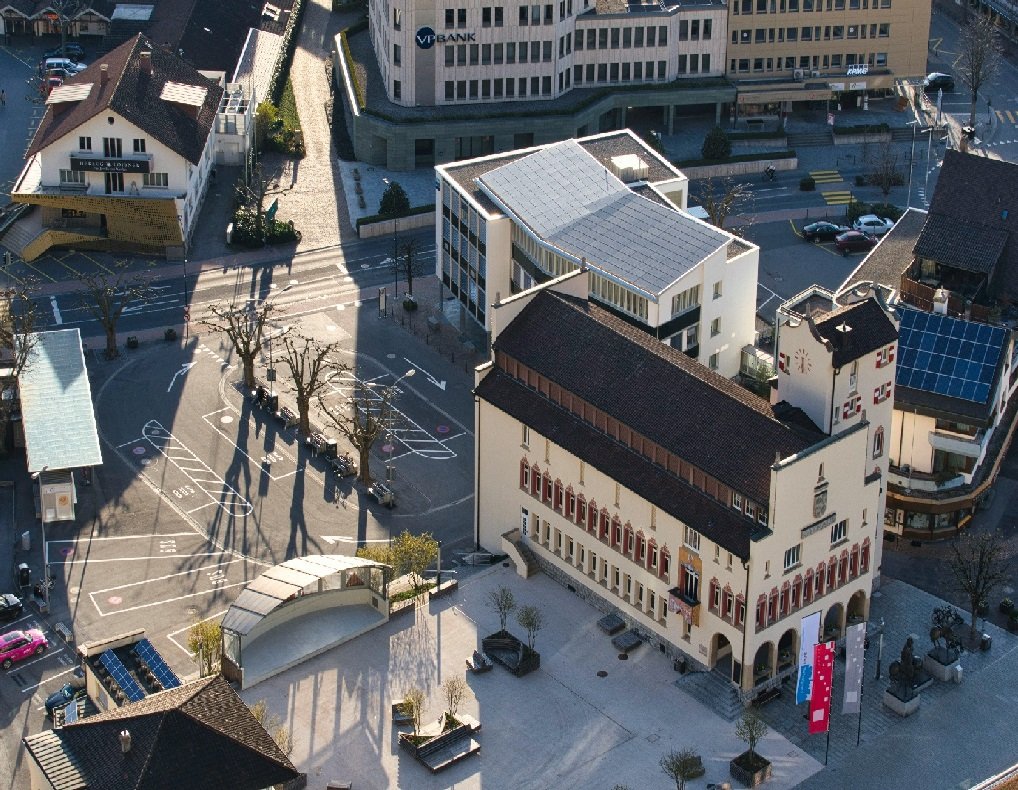
Liechtenstein, a small landlocked country nestled in the heart of the Alps, is known for its rich history and cultural heritage. One of the most fascinating aspects of Liechtenstein's heritage is its traditions and customs, which have been passed down through generations.
Folklore plays a significant role in Liechtenstein, with many traditional stories and legends being passed down orally. One famous legend is that of the dwarf king Laurin, who is said to have ruled over a beautiful rose garden in the mountains. Another common theme in Liechtenstein folklore is the presence of supernatural beings such as witches, fairies, and goblins.
One of the most important customs in Liechtenstein is the celebration of national holidays and festivals. The National Day of Liechtenstein is celebrated on August 15th, commemorating the birthday of the reigning prince. On this day, the country comes alive with parades, fireworks, and traditional music and dance performances.
Another important festival in Liechtenstein is Fasnacht, or Carnival, which takes place in the days leading up to Lent. During this time, people dress up in colorful costumes and masks, participate in parades, and enjoy feasting and merrymaking.
Music and dance also play a significant role in Liechtenstein's cultural traditions. Folk music is an important part of the country's heritage, with traditional instruments such as the accordion, dulcimer, and zither being commonly used. The country is also home to several folk dance groups that perform at various events and festivals throughout the year.
In addition to these traditions, Liechtenstein is also known for its culinary customs. Traditional dishes such as käsknöpfle (cheese noodles), rösti (potato fritters), and birnenbrot (pear bread) are popular staples in Liechtenstein cuisine.
Overall, Liechtenstein's traditions and customs are a reflection of its rich cultural heritage and unique identity. From folklore and festivals to music and cuisine, these customs help to preserve the country's history and bring its people together in celebration and camaraderie.
Leave a Comment:
SEARCH
Recent News
- Zurich, Switzerland, and Liechtenstein are two beautiful destinations that offer a unique combination of enchanting landscapes, rich cultural heritage, and modern attractions. Both countries attract tourists from around the world with their picturesque alpine scenery, charming villages, and vibrant cities.
- Zurich, Switzerland and Liechtenstein are two neighboring European countries with distinct regulatory frameworks governing various aspects of society. In this blog post, we will explore some key regulations in Zurich, Switzerland and Liechtenstein that shape the way of life and business in these two unique destinations.
- Zurich, Switzerland and Liechtenstein are two neighboring countries with vibrant economies that attract attention due to their stable financial systems and high living standards. In this blog post, we will delve into the economic characteristics of these two regions and explore what makes them stand out on the global stage.
- Zurich, Switzerland and Liechtenstein may be small in size, but they pack a powerful punch when it comes to business opportunities. These two neighboring countries in Europe offer a unique blend of economic stability, innovation, and a favorable business environment that attracts entrepreneurs and investors from around the world.
- Are you interested in creating YouTube content to promote Liechtenstein tourism? This tiny yet charming European country has a lot to offer visitors, and showcasing its beauty through videos can help attract more tourists. In this blog post, we will explore the process of YouTube content creation and translation for Liechtenstein tourism.
- YouTube Content Creation and Translation: Navigating Liechtenstein Regulations
- YouTube Content Creation and Translation in Liechtenstein Economy
- YouTube Content Creation and Translation for Liechtenstein Businesses
READ MORE
9 months ago Category :

Zurich, Switzerland, and Liechtenstein are two beautiful destinations that offer a unique combination of enchanting landscapes, rich cultural heritage, and modern attractions. Both countries attract tourists from around the world with their picturesque alpine scenery, charming villages, and vibrant cities.
Read More →9 months ago Category :

Zurich, Switzerland and Liechtenstein are two neighboring European countries with distinct regulatory frameworks governing various aspects of society. In this blog post, we will explore some key regulations in Zurich, Switzerland and Liechtenstein that shape the way of life and business in these two unique destinations.
Read More →9 months ago Category :

Zurich, Switzerland and Liechtenstein are two neighboring countries with vibrant economies that attract attention due to their stable financial systems and high living standards. In this blog post, we will delve into the economic characteristics of these two regions and explore what makes them stand out on the global stage.
Read More →9 months ago Category :
