Liechtenstein, a small principality nestled in the heart of Europe, boasts a rich tapestry of traditions and customs that have been passed down through generations. Among these traditions are the religious practices that hold a significant place in the lives of the people of Liechtenstein.
Category : Liechtenstein Traditions and Customs | Sub Category : Religious Traditions in Liechtenstein Posted on 2025-02-02 21:24:53
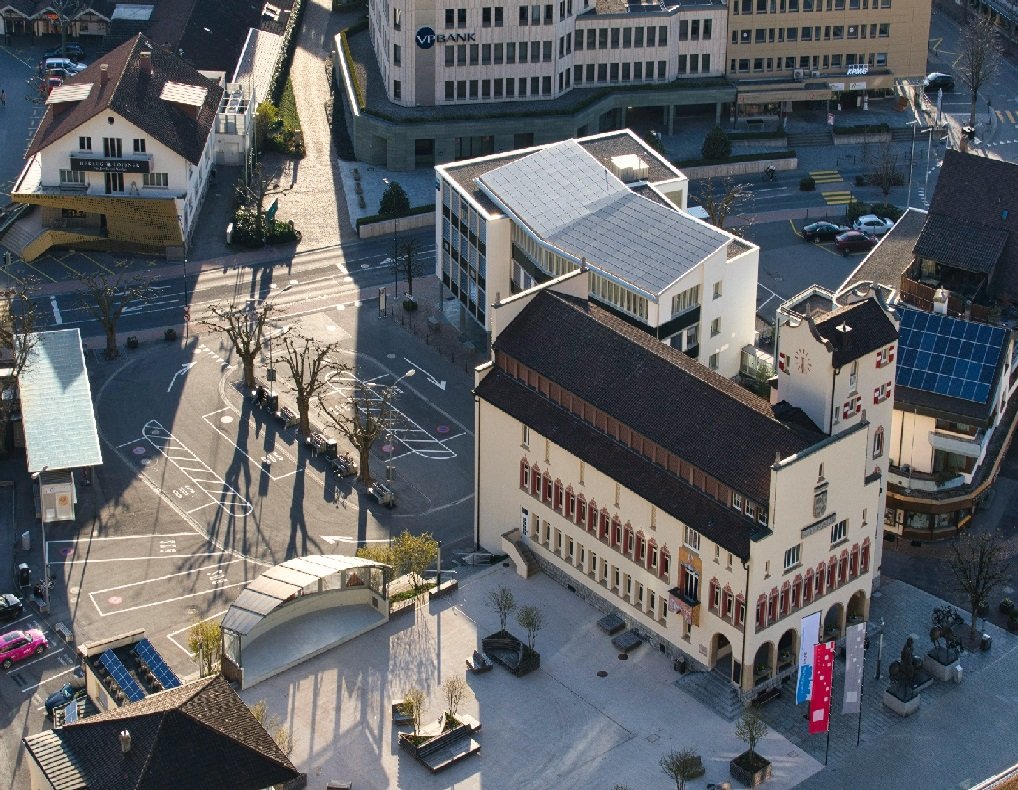
Liechtenstein, a small principality nestled in the heart of Europe, boasts a rich tapestry of traditions and customs that have been passed down through generations. Among these traditions are the religious practices that hold a significant place in the lives of the people of Liechtenstein.
Religion plays a central role in the cultural fabric of Liechtenstein, with the majority of the population identifying as Roman Catholic. The country has a deep-rooted connection to the Catholic Church, and religious traditions are integral to the community's way of life.
One of the most prominent religious traditions in Liechtenstein is the celebration of Christian holidays such as Christmas and Easter. These holidays are marked by special church services, traditional foods, and festive gatherings with family and friends. The spirit of togetherness and joy is palpable during these times, as the community comes together to celebrate their faith and bond over shared traditions.
Another significant religious tradition in Liechtenstein is the observance of religious festivals and pilgrimages. Throughout the year, various festivals and processions take place in towns and villages across the country, drawing large crowds of worshippers and visitors alike. These events provide an opportunity for the community to come together in prayer and reflection, strengthening their spiritual bonds and fostering a sense of unity.
The religious customs in Liechtenstein also extend to everyday life, with many people actively participating in church activities and volunteering for charitable organizations. Faith is not just a private matter in Liechtenstein but a communal experience that brings people together and promotes a sense of solidarity and compassion.
In conclusion, religious traditions hold a special place in the hearts of the people of Liechtenstein, shaping their values, fostering a sense of community, and providing a source of comfort and guidance. These traditions not only reflect the country's cultural heritage but also highlight the enduring importance of faith in the lives of its inhabitants.
Leave a Comment:
SEARCH
Recent News
- Zurich, Switzerland, and Liechtenstein are two beautiful destinations that offer a unique combination of enchanting landscapes, rich cultural heritage, and modern attractions. Both countries attract tourists from around the world with their picturesque alpine scenery, charming villages, and vibrant cities.
- Zurich, Switzerland and Liechtenstein are two neighboring European countries with distinct regulatory frameworks governing various aspects of society. In this blog post, we will explore some key regulations in Zurich, Switzerland and Liechtenstein that shape the way of life and business in these two unique destinations.
- Zurich, Switzerland and Liechtenstein are two neighboring countries with vibrant economies that attract attention due to their stable financial systems and high living standards. In this blog post, we will delve into the economic characteristics of these two regions and explore what makes them stand out on the global stage.
- Zurich, Switzerland and Liechtenstein may be small in size, but they pack a powerful punch when it comes to business opportunities. These two neighboring countries in Europe offer a unique blend of economic stability, innovation, and a favorable business environment that attracts entrepreneurs and investors from around the world.
- Are you interested in creating YouTube content to promote Liechtenstein tourism? This tiny yet charming European country has a lot to offer visitors, and showcasing its beauty through videos can help attract more tourists. In this blog post, we will explore the process of YouTube content creation and translation for Liechtenstein tourism.
- YouTube Content Creation and Translation: Navigating Liechtenstein Regulations
- YouTube Content Creation and Translation in Liechtenstein Economy
- YouTube Content Creation and Translation for Liechtenstein Businesses
READ MORE
9 months ago Category :

Zurich, Switzerland, and Liechtenstein are two beautiful destinations that offer a unique combination of enchanting landscapes, rich cultural heritage, and modern attractions. Both countries attract tourists from around the world with their picturesque alpine scenery, charming villages, and vibrant cities.
Read More →9 months ago Category :

Zurich, Switzerland and Liechtenstein are two neighboring European countries with distinct regulatory frameworks governing various aspects of society. In this blog post, we will explore some key regulations in Zurich, Switzerland and Liechtenstein that shape the way of life and business in these two unique destinations.
Read More →9 months ago Category :

Zurich, Switzerland and Liechtenstein are two neighboring countries with vibrant economies that attract attention due to their stable financial systems and high living standards. In this blog post, we will delve into the economic characteristics of these two regions and explore what makes them stand out on the global stage.
Read More →9 months ago Category :
