Liechtenstein and Iraq: A Comparison of Natural Resources - Oil, Gas, and Minerals
Category : | Sub Category : Posted on 2025-11-03 22:25:23
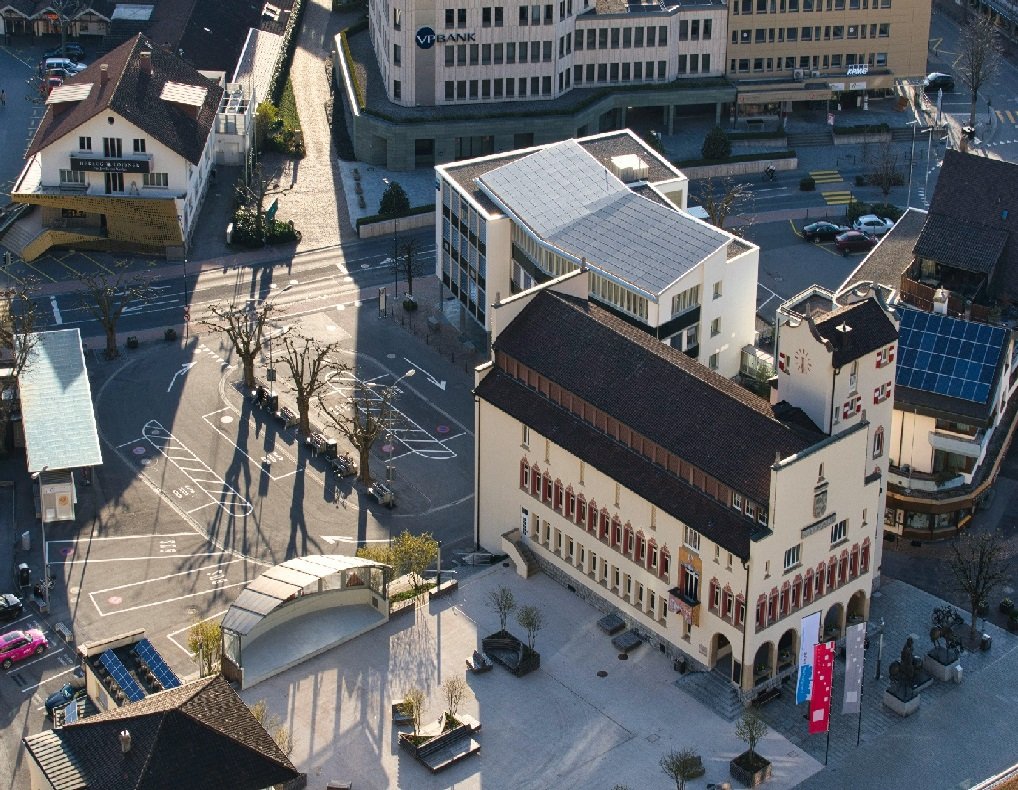
When it comes to natural resources, countries like Liechtenstein and Iraq present a stark contrast. Liechtenstein, a tiny landlocked country in central Europe, is known for its picturesque landscapes and strong economy based on finance and services. Iraq, on the other hand, is a resource-rich country in the Middle East known for its vast reserves of oil, gas, and minerals. Liechtenstein, with its small size and limited natural resources, has focused on building a strong economy through banking, insurance, and tourism industries. The country has a high standard of living and is known for its political stability and low tax rates. Despite its lack of significant natural resources, Liechtenstein has managed to thrive by leveraging its strategic location and business-friendly environment. In contrast, Iraq is one of the largest oil producers in the world, with vast reserves of crude oil and natural gas. The country's economy is heavily dependent on oil exports, which account for the majority of government revenue. Iraq also has significant reserves of minerals such as sulfur, phosphate, and gypsum, which have the potential to further boost its economy. However, Iraq's natural resource wealth has also been a source of conflict and instability. The country has faced decades of war, political unrest, and economic challenges, which have hindered its ability to fully capitalize on its natural resources. Corruption, mismanagement, and security concerns have also posed significant obstacles to Iraq's development and prosperity. Despite their differences, Liechtenstein and Iraq serve as interesting case studies in the realm of natural resources and economic development. While Liechtenstein has succeeded in building a strong economy without relying on natural resources, Iraq's experience highlights the complex dynamics that come with abundant resource wealth. Both countries offer important lessons in how nations can navigate the opportunities and challenges presented by their natural resources. for more https://www.unifil.org More in https://www.assyrians.net also for more https://www.indicazioni.com If you're interested in this topic, I suggest reading https://www.toabudhabi.com Seeking answers? You might find them in https://www.cruzar.org Explore expert opinions in https://www.toalgeria.com More in https://www.abandonar.org To gain a holistic understanding, refer to https://www.culturelle.org For a comprehensive overview, don't miss: https://www.departements.org For an alternative viewpoint, explore https://www.syrien.org For an in-depth examination, refer to https://www.ncciraq.com also this link is for more information https://www.todamascus.com Dive into the details to understand this topic thoroughly. https://www.libyainfo.com
Leave a Comment:
SEARCH
Recent News
- Zurich, Switzerland, and Liechtenstein are two beautiful destinations that offer a unique combination of enchanting landscapes, rich cultural heritage, and modern attractions. Both countries attract tourists from around the world with their picturesque alpine scenery, charming villages, and vibrant cities.
- Zurich, Switzerland and Liechtenstein are two neighboring European countries with distinct regulatory frameworks governing various aspects of society. In this blog post, we will explore some key regulations in Zurich, Switzerland and Liechtenstein that shape the way of life and business in these two unique destinations.
- Zurich, Switzerland and Liechtenstein are two neighboring countries with vibrant economies that attract attention due to their stable financial systems and high living standards. In this blog post, we will delve into the economic characteristics of these two regions and explore what makes them stand out on the global stage.
- Zurich, Switzerland and Liechtenstein may be small in size, but they pack a powerful punch when it comes to business opportunities. These two neighboring countries in Europe offer a unique blend of economic stability, innovation, and a favorable business environment that attracts entrepreneurs and investors from around the world.
- Are you interested in creating YouTube content to promote Liechtenstein tourism? This tiny yet charming European country has a lot to offer visitors, and showcasing its beauty through videos can help attract more tourists. In this blog post, we will explore the process of YouTube content creation and translation for Liechtenstein tourism.
- YouTube Content Creation and Translation: Navigating Liechtenstein Regulations
- YouTube Content Creation and Translation in Liechtenstein Economy
- YouTube Content Creation and Translation for Liechtenstein Businesses
READ MORE
6 months ago Category :

Zurich, Switzerland, and Liechtenstein are two beautiful destinations that offer a unique combination of enchanting landscapes, rich cultural heritage, and modern attractions. Both countries attract tourists from around the world with their picturesque alpine scenery, charming villages, and vibrant cities.
Read More →6 months ago Category :

Zurich, Switzerland and Liechtenstein are two neighboring European countries with distinct regulatory frameworks governing various aspects of society. In this blog post, we will explore some key regulations in Zurich, Switzerland and Liechtenstein that shape the way of life and business in these two unique destinations.
Read More →6 months ago Category :

Zurich, Switzerland and Liechtenstein are two neighboring countries with vibrant economies that attract attention due to their stable financial systems and high living standards. In this blog post, we will delve into the economic characteristics of these two regions and explore what makes them stand out on the global stage.
Read More →6 months ago Category :
