New Zealand and Liechtenstein are two countries with vastly different economies and economic structures. While New Zealand has a larger and more diverse economy, Liechtenstein has a unique and specialized economy that revolves around financial services and manufacturing. In this blog post, we will explore the key aspects of the economies of these two countries and compare their strengths and challenges.
Category : | Sub Category : Posted on 2025-11-03 22:25:23
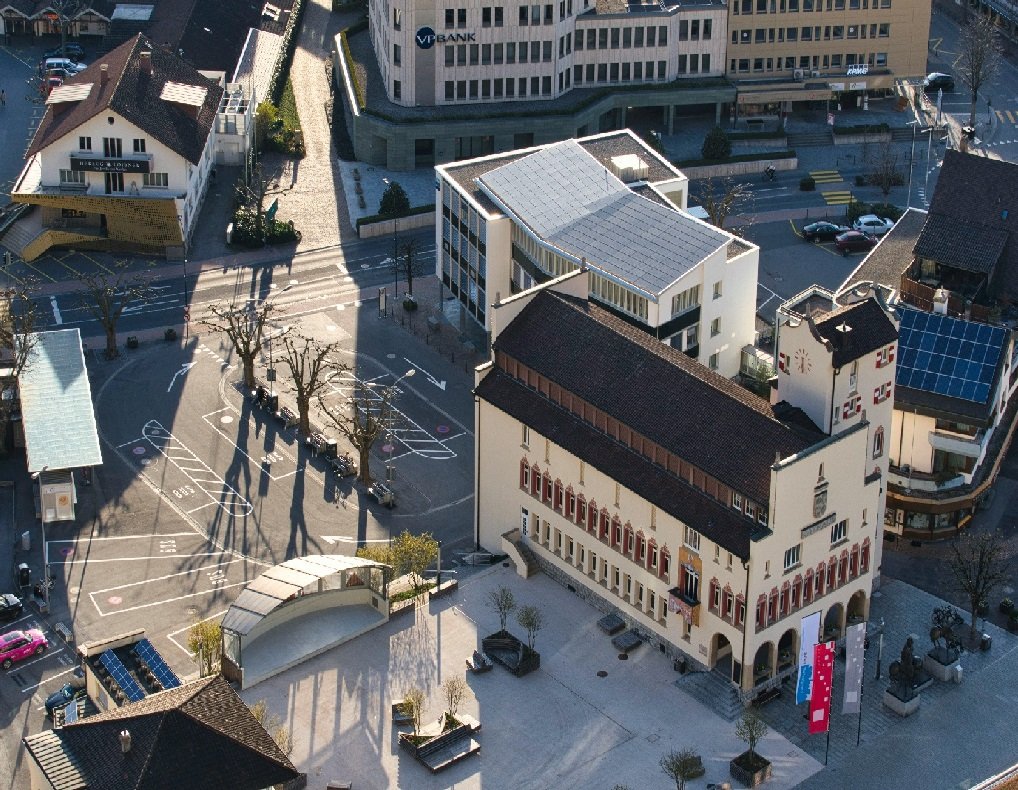
New Zealand is a developed country located in the southwestern Pacific Ocean. It has a mixed economy that is based on free-market principles. The country's economy is diverse and includes industries such as agriculture, tourism, manufacturing, and services. New Zealand is known for its agriculture sector, which includes dairy farming, sheep farming, and horticulture. The country is also a popular tourist destination, attracting millions of visitors each year. Liechtenstein, on the other hand, is a small, landlocked country in Central Europe. It has a highly industrialized economy that is heavily focused on financial services and manufacturing. Liechtenstein is known for its strong banking sector, which has attracted many foreign companies and investors. The country also has a thriving manufacturing industry, producing goods such as precision instruments, dental products, and electronics. One key difference between the economies of New Zealand and Liechtenstein is their size. New Zealand has a population of over 5 million people and a GDP of around $205 billion, making it one of the larger economies in the Pacific region. In contrast, Liechtenstein has a population of just over 38,000 people and a GDP of around $6 billion, making it one of the smallest economies in Europe. Despite their differences in size and structure, both countries face unique challenges in their economies. In New Zealand, challenges include maintaining economic growth, reducing income inequality, and addressing environmental issues such as climate change and pollution. In Liechtenstein, challenges include diversifying the economy away from its reliance on financial services, attracting foreign investment, and ensuring sustainable development. In conclusion, New Zealand and Liechtenstein are two countries with distinct economies that reflect their unique geographic, historical, and societal contexts. While New Zealand has a more diverse and larger economy, Liechtenstein has a specialized economy focused on financial services and manufacturing. Both countries face challenges in their economic development, but they also have opportunities for growth and innovation. Understanding the strengths and challenges of these two economies can provide valuable insights for policymakers, businesses, and individuals seeking to learn more about the global economy. click the following link for more information: https://www.carretera.org To get a different viewpoint, consider: https://www.abandonar.org You can find more about this subject in https://www.culturelle.org If you are interested you can check https://www.departements.org sources: https://www.regionales.net If you are enthusiast, check this out https://www.isnewzealand.com For a deeper dive, visit: https://www.ismelbourne.com Seeking answers? You might find them in https://www.nacionalismo.com
Leave a Comment:
SEARCH
Recent News
- Zurich, Switzerland, and Liechtenstein are two beautiful destinations that offer a unique combination of enchanting landscapes, rich cultural heritage, and modern attractions. Both countries attract tourists from around the world with their picturesque alpine scenery, charming villages, and vibrant cities.
- Zurich, Switzerland and Liechtenstein are two neighboring European countries with distinct regulatory frameworks governing various aspects of society. In this blog post, we will explore some key regulations in Zurich, Switzerland and Liechtenstein that shape the way of life and business in these two unique destinations.
- Zurich, Switzerland and Liechtenstein are two neighboring countries with vibrant economies that attract attention due to their stable financial systems and high living standards. In this blog post, we will delve into the economic characteristics of these two regions and explore what makes them stand out on the global stage.
- Zurich, Switzerland and Liechtenstein may be small in size, but they pack a powerful punch when it comes to business opportunities. These two neighboring countries in Europe offer a unique blend of economic stability, innovation, and a favorable business environment that attracts entrepreneurs and investors from around the world.
- Are you interested in creating YouTube content to promote Liechtenstein tourism? This tiny yet charming European country has a lot to offer visitors, and showcasing its beauty through videos can help attract more tourists. In this blog post, we will explore the process of YouTube content creation and translation for Liechtenstein tourism.
- YouTube Content Creation and Translation: Navigating Liechtenstein Regulations
- YouTube Content Creation and Translation in Liechtenstein Economy
- YouTube Content Creation and Translation for Liechtenstein Businesses
READ MORE
4 months ago Category :

Zurich, Switzerland, and Liechtenstein are two beautiful destinations that offer a unique combination of enchanting landscapes, rich cultural heritage, and modern attractions. Both countries attract tourists from around the world with their picturesque alpine scenery, charming villages, and vibrant cities.
Read More →4 months ago Category :

Zurich, Switzerland and Liechtenstein are two neighboring European countries with distinct regulatory frameworks governing various aspects of society. In this blog post, we will explore some key regulations in Zurich, Switzerland and Liechtenstein that shape the way of life and business in these two unique destinations.
Read More →4 months ago Category :

Zurich, Switzerland and Liechtenstein are two neighboring countries with vibrant economies that attract attention due to their stable financial systems and high living standards. In this blog post, we will delve into the economic characteristics of these two regions and explore what makes them stand out on the global stage.
Read More →4 months ago Category :
