The Impact of Refugees on Liechtenstein's Economy
Category : | Sub Category : Posted on 2025-11-03 22:25:23
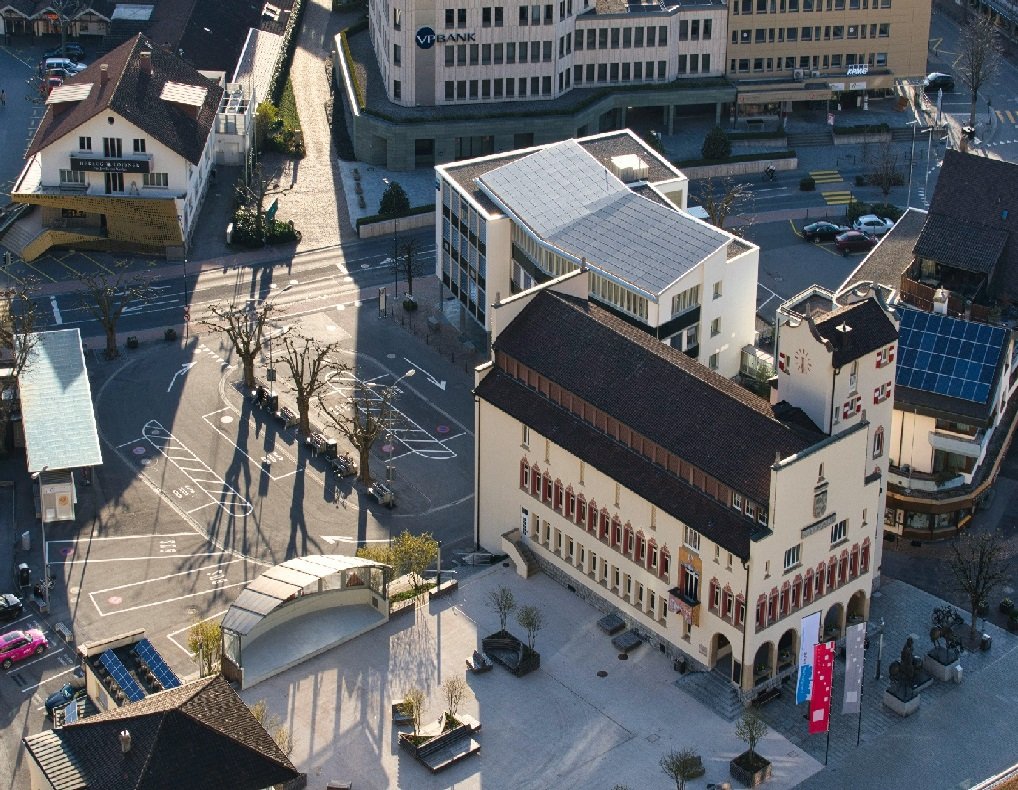
Liechtenstein, a small landlocked country in Central Europe, has not been traditionally known as a destination for refugees. However, as the global refugee crisis continues to unfold, countries all over the world are being forced to grapple with the challenges and opportunities presented by an influx of displaced people seeking safety and a better life. In recent years, Liechtenstein has seen a small but steady flow of refugees seeking asylum within its borders. While the number of refugees in Liechtenstein remains relatively low compared to other European countries, their presence has not gone unnoticed. The impact of refugees on Liechtenstein's economy is a topic of both interest and concern among policymakers, scholars, and the general public. One of the key ways in which refugees can potentially impact Liechtenstein's economy is through labor market dynamics. As refugees are granted asylum and are able to legally work in the country, they become part of the labor force and can contribute to the economy through their work and consumer spending. By filling gaps in the labor market and taking on jobs that may be difficult to fill with local workers, refugees can help alleviate labor shortages and boost economic productivity. However, there are also challenges associated with integrating refugees into the workforce. Language barriers, skills mismatches, and cultural differences can pose obstacles to finding suitable employment for refugees. In addition, there may be concerns about competition for jobs and wage depression among the local population, particularly in sectors with high refugee participation. Another potential impact of refugees on Liechtenstein's economy is on public finances. Providing social services, housing, education, and healthcare for refugees comes at a cost to the government and taxpayers. While there may be initial investments required to support refugees, there is also the potential for longer-term economic benefits if refugees are able to successfully integrate into society, find employment, and contribute to the tax base. Beyond the economic implications, the presence of refugees in Liechtenstein can also have social and cultural effects on the country. Refugees bring diversity, new perspectives, and skills to the local community, enriching the cultural landscape and fostering cross-cultural understanding. However, there may also be challenges related to social cohesion, integration, and the potential strain on public services and infrastructure. In conclusion, while the impact of refugees on Liechtenstein's economy is a complex and multifaceted issue, it is clear that refugees have the potential to both contribute to and pose challenges for the country's economic development. By addressing the needs of refugees, investing in their integration and skills development, and fostering a welcoming and inclusive society, Liechtenstein can harness the positive potential of refugees as a valuable asset for its economy and society. Seeking answers? You might find them in https://www.abandonar.org To expand your knowledge, I recommend: https://www.departements.org To get a different viewpoint, consider: https://www.regionales.net
Leave a Comment:
SEARCH
Recent News
- Zurich, Switzerland, and Liechtenstein are two beautiful destinations that offer a unique combination of enchanting landscapes, rich cultural heritage, and modern attractions. Both countries attract tourists from around the world with their picturesque alpine scenery, charming villages, and vibrant cities.
- Zurich, Switzerland and Liechtenstein are two neighboring European countries with distinct regulatory frameworks governing various aspects of society. In this blog post, we will explore some key regulations in Zurich, Switzerland and Liechtenstein that shape the way of life and business in these two unique destinations.
- Zurich, Switzerland and Liechtenstein are two neighboring countries with vibrant economies that attract attention due to their stable financial systems and high living standards. In this blog post, we will delve into the economic characteristics of these two regions and explore what makes them stand out on the global stage.
- Zurich, Switzerland and Liechtenstein may be small in size, but they pack a powerful punch when it comes to business opportunities. These two neighboring countries in Europe offer a unique blend of economic stability, innovation, and a favorable business environment that attracts entrepreneurs and investors from around the world.
- Are you interested in creating YouTube content to promote Liechtenstein tourism? This tiny yet charming European country has a lot to offer visitors, and showcasing its beauty through videos can help attract more tourists. In this blog post, we will explore the process of YouTube content creation and translation for Liechtenstein tourism.
- YouTube Content Creation and Translation: Navigating Liechtenstein Regulations
- YouTube Content Creation and Translation in Liechtenstein Economy
- YouTube Content Creation and Translation for Liechtenstein Businesses
READ MORE
4 months ago Category :

Zurich, Switzerland, and Liechtenstein are two beautiful destinations that offer a unique combination of enchanting landscapes, rich cultural heritage, and modern attractions. Both countries attract tourists from around the world with their picturesque alpine scenery, charming villages, and vibrant cities.
Read More →4 months ago Category :

Zurich, Switzerland and Liechtenstein are two neighboring European countries with distinct regulatory frameworks governing various aspects of society. In this blog post, we will explore some key regulations in Zurich, Switzerland and Liechtenstein that shape the way of life and business in these two unique destinations.
Read More →4 months ago Category :

Zurich, Switzerland and Liechtenstein are two neighboring countries with vibrant economies that attract attention due to their stable financial systems and high living standards. In this blog post, we will delve into the economic characteristics of these two regions and explore what makes them stand out on the global stage.
Read More →4 months ago Category :
